Showing posts with label lens. Show all posts

Sunday, February 5, 2012

0 comments

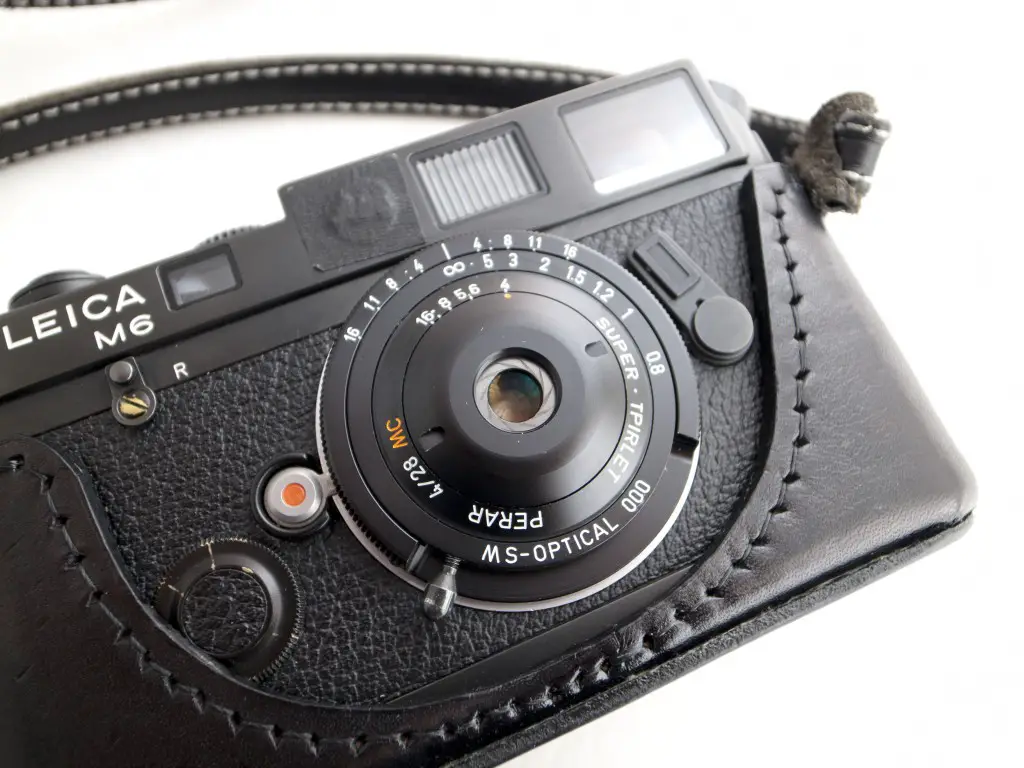
If you think that your rangefinder lenses are small, you ain't seen nothing yet! In Japan, a dedicated lens maker Mr. Miyazaki set-up his own company called MS-Optical to create astoundingly small lenses for rangefinders. He gained fame a few years back with his first product - the Perar 35mm lens, which really looks more like a body mount cap than a lens!

Now he has pushed the boundaries further with a new lens - the Perar 28mm f/4 lens, which is even smaller than his debut product! What's really amazing is that all his lenses are handmade by him in limited numbers, which explains their rarity and scarcity. They are popular for delivering good performance in an ultra-compact package.

Monday, August 22, 2011

Canon EF 8-15mm f/4L Fisheye USM review

0 comments

The Canon EF 8-15mm f/4L Fisheye USM is an interesting proposition on paper, being the world’s first fisheye zoom lens offering both circular and full frame images. But does it actually deliver the kind of performance that one expects from the superlative L-lens series?

Check out my review of this outrageously wide lens here!

Wednesday, September 15, 2010

Nikon launches D7000 and two killer lenses!

1 comments
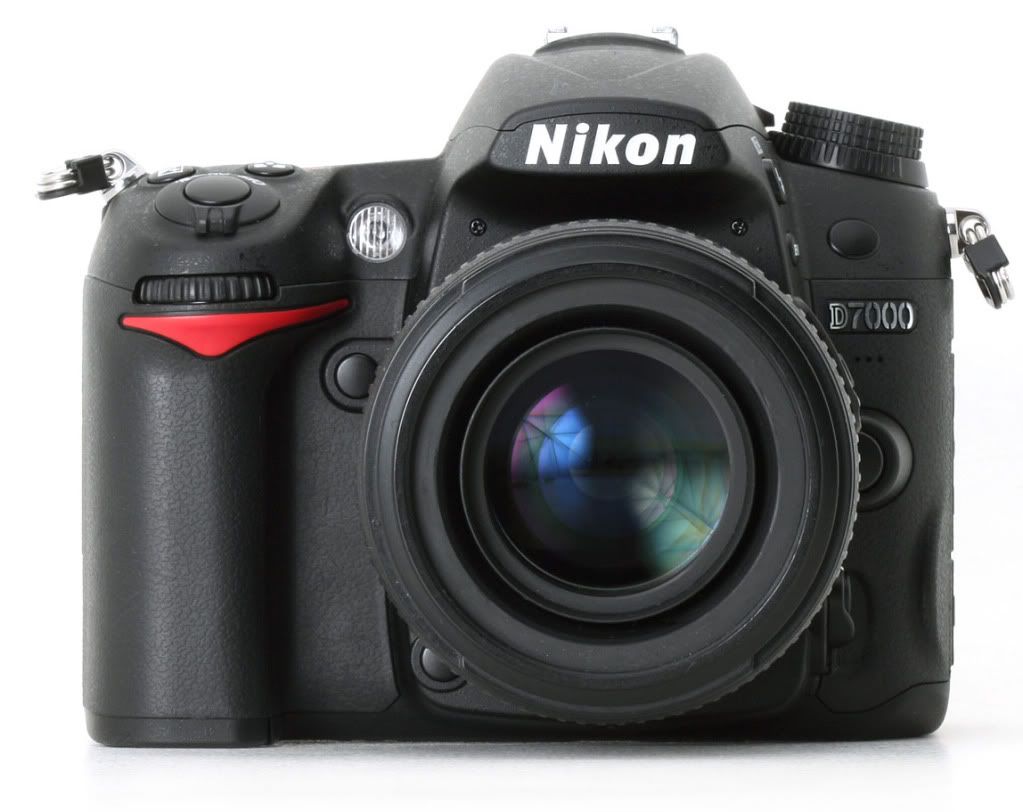
Nikon has (finally) released the successor to the aging D90. The new D7000 slots into the mid-tier ranking of the Nikon DSLR hierarchy, promising performance with a new 16-megapixel CMOS sensor and a faster 'Expeed 2' processor. One of the key highlights is the inclusion of a magnesium alloy body, which until now was only reserved for the higher-end Nikon body. This is interesting because while Canon has been systematically shifting their mid-tier bodies (such as the EOS 60D) downwards in terms of features and specs, we have Nikon actually moving the other way up by including better build for their mid-tier bodies. The Nikon D7000 features a high res 920k 3" LCD and Full HD 1080p 24 frames movie recording capabilities. Looks like the Nikon camp has unleashed a powerful challenger this time round…


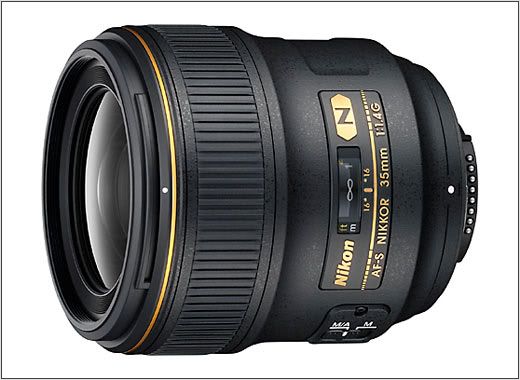
Another interesting development comes in the form of the AF-S NIKKOR 35mm f/1.4G. This wide-angle prime lens holds 10 elements in seven groups, including one aspherical glass element, and incorporates Silent Wave Motor (SWM) for quieter auto-focusing, along with Nano-Crystal coating to reduce flare. It will definitely be a welcome addition to the camera bags of street photographers, journalists and portrait photographers looking to capture street photos and environmental portraits in low available light.


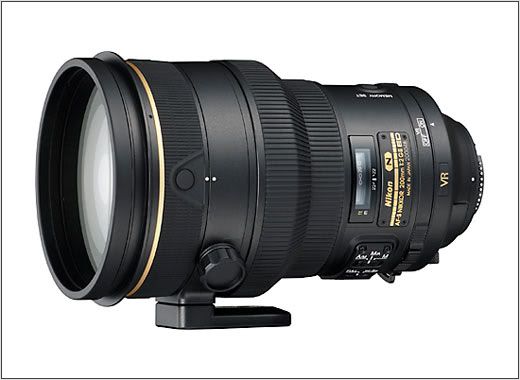
And finally, Nikon has also updated its 200mm F2 VR professional lens to Mark II. Although the optical formula remains unchanged, the new AF-S Nikkor 200mm F2G ED VR II utilizes the second generation of Nikon's Vibration Reduction technology (VR II), as well as the company's proprietary nano-crystal coating to reduce ghosting and flare.

Wednesday, July 28, 2010

Sony launches trio of prime lenses

0 comments

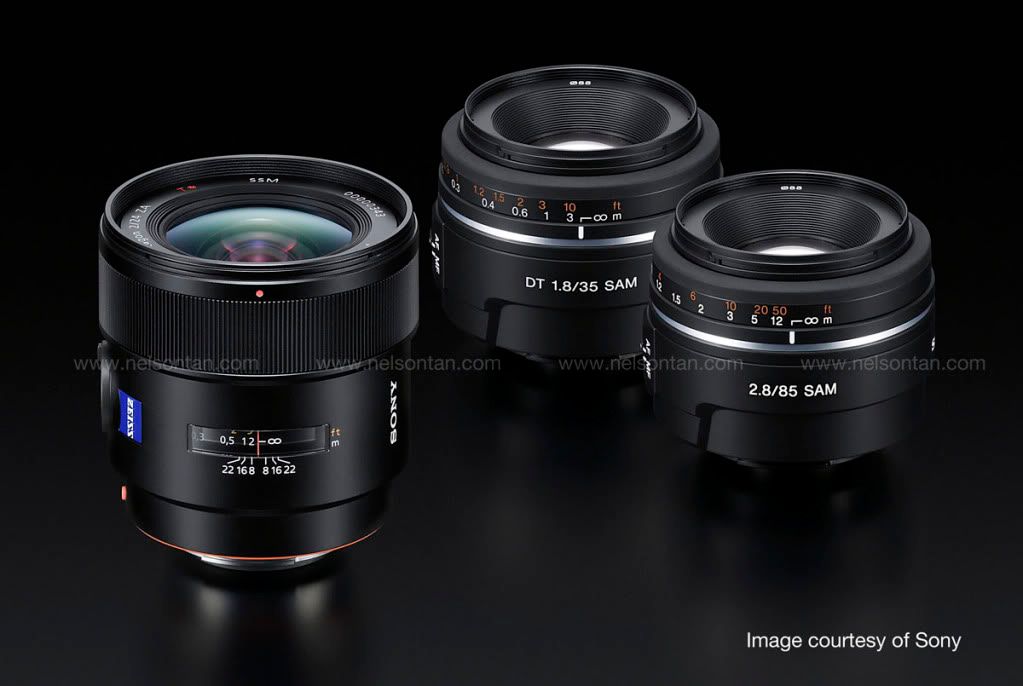
After wading painfully through Sony's terrible press release (which looks like it was written for amateurs by amateurs), it dawned on me that Sony has launched three prime lenses for its Alpha DSLR system, taking the total to more than 30 lenses in the entire range. The jewel in the trio must be the full-frame Carl Zeiss Distagon T* 24mm F2 SSM, a relatively fast wide-angle prime made by the esteemed German optics manufacturer. Photographers should love the 0.19m minimum focus distance (great for dramatic effects) and a nine-blade circular aperture designed for smooth bokeh (out-of-focus areas). Focus should be fast and quiet, thanks to its built-in SSM (Super Sonic wave Motor).

The Sony 85mm F2.8 SAM represents the first full frame lens in the "Easy Choice" lens range, which are designated to be more affordable. "Easy Choice" is such a tacky and terrible marketing name, but thank goodness it does not appear anywhere on the lens! The full-frame 85mm is a traditional choice for portrait photography, and so the 0.6m minimum focusing distance (which Sony claims is the shortest in its class) should come in useful. At 175 grams, the Sony 85mm F2.8 SAM is extremely compact and light, although f/2.8 seems a tad slow for a portrait lens (compared to Canon and Nikon's offering of 85mm f/1.8 lenses).

The Sony DT 35mm F1.8 SAM is designed as a fast wide-angle lens for APS-C sensor DSLR only. At 170 grams, it's a compact and light addition to the camera bag, and it features the shortest minimum focus distance of just 23 cm, which Sony claims as shortest in its class. All of these lenses can be used on the NEX mirrorless cameras via the LA-EA1 adapter (manual focus mode only).  The 24mm and 85mm lenses will start shipping from late September at retail prices of €1,250 and €250 respectively, followed by the 35mm which will be available from mid-October at a retail price of €200.

Tuesday, July 20, 2010

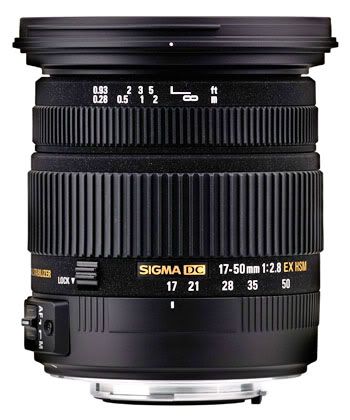
Sigma launches new 17-50mm F2.8 EX DC OS HSM lens

0 comments
If you own APS-C DSLR and you're bemoaning the lack of a image-stabilizer on your fast wide-angle zoom, you're not alone - or at least that's what Sigma thinks. For years, manufacturers (with the exception of Canon who has a EF-S 17-55 f/2.8 IS) have not heeded the pleas of consumers who want image-stabilizer on wide-angle zooms, perhaps on the rationale that users can get away with lower shutter speeds on such focal lengths. However, Sigma chose to listen to the voices of the customers, and they have launched the new Sigma 17-50mm F2.8 EX DC OS HSM lens!

Off the specs sheet, the new Sigma ultra-wide angle looks brilliant. It covers an ultra-wide focal range, even more than the traditional 16-35mm f/2.8 lenses we're used to, and it throws in an image-stabilizer mechanism to ensure sharp images even in low-light shooting conditions. Other goodies include a compact dimension of just 3.6 inches, minimum focus distance of 11 inches (through the entire zoom range), new FLD optical glass, Hyper Sonic Motor (HSM) for quiet and high-speed auto focus, and a rounded seven-blade diaphragm for great out-of-focus background.

Interestingly, Sigma has chosen to launch the Canon mount first (at US$980), and subsequently for Nikon, Sigma, Sony and Pentax mounts in the coming weeks. A weird choice given that Canon users already have the EF-S 17-55 f/2.8 IS, and it's the other brands owners which need this unique configuration for their systems. Sigma has once again chosen their battle very carefully by delivering a niche product for the numerous DSLRs owners out there, instead of butting head-on with the camera brands by offering exactly the same focal length and aperture. And this has provided photographers with more options when it comes to camera gear and budgets. Sigma is indeed looking at the world through a different lens!

Tuesday, April 27, 2010

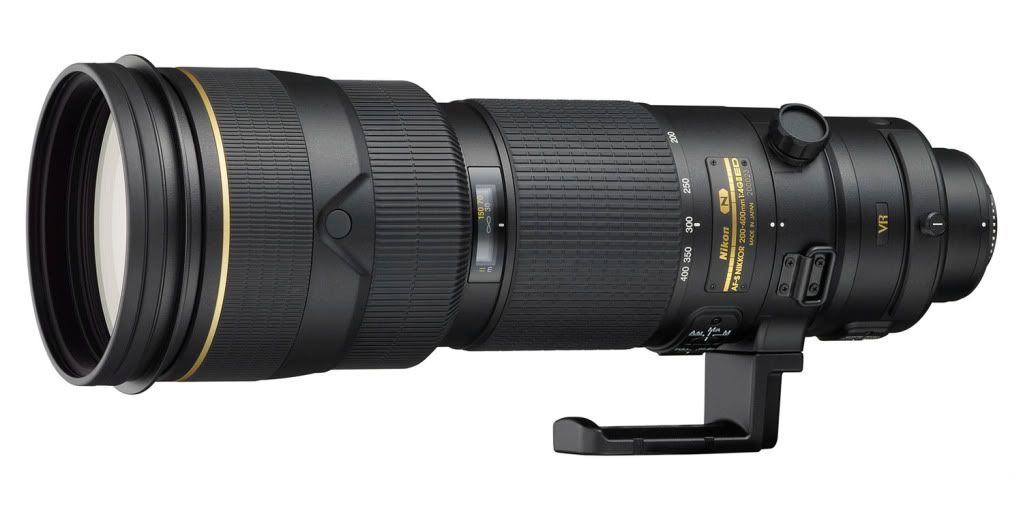
New Nikon 200-400mm f/4 launching soon

0 comments

Nikon is set to launch a tweaked version of its 200-400mm f/4 VR by end of May. Featuring the same optical configuration and Silent Wave Focusing as its predecessor, the new AF-S Nikkor 200-400mm f/4G ED VR II looks to deliver the same optical performance and speed. However, Nikon improved its stabilization ability by incorporating four-stop VR II image stabilization, and the new lens will benefit greatly with Nikon's Nano Crystal Coat lens coating for reduced ghosting and flare.

It will come at a price though. The AF-S Nikkor 200-400mm f/4G ED VR II is expected to cost nearly US$7000, which squarely prices the lens out of reach for most but the most hardcore (and well-heeled) photographers. Who would buy such an expensive and huge lens? Nature photographers and sports photographers will certainly appreciate having the option to zoom at the super-telephoto range, as well as a relatively bright aperture of f/4 and enjoy the superlative performance of this ED lens as well (it has 24 lens elements in 17 groups with 4 ED elements!).
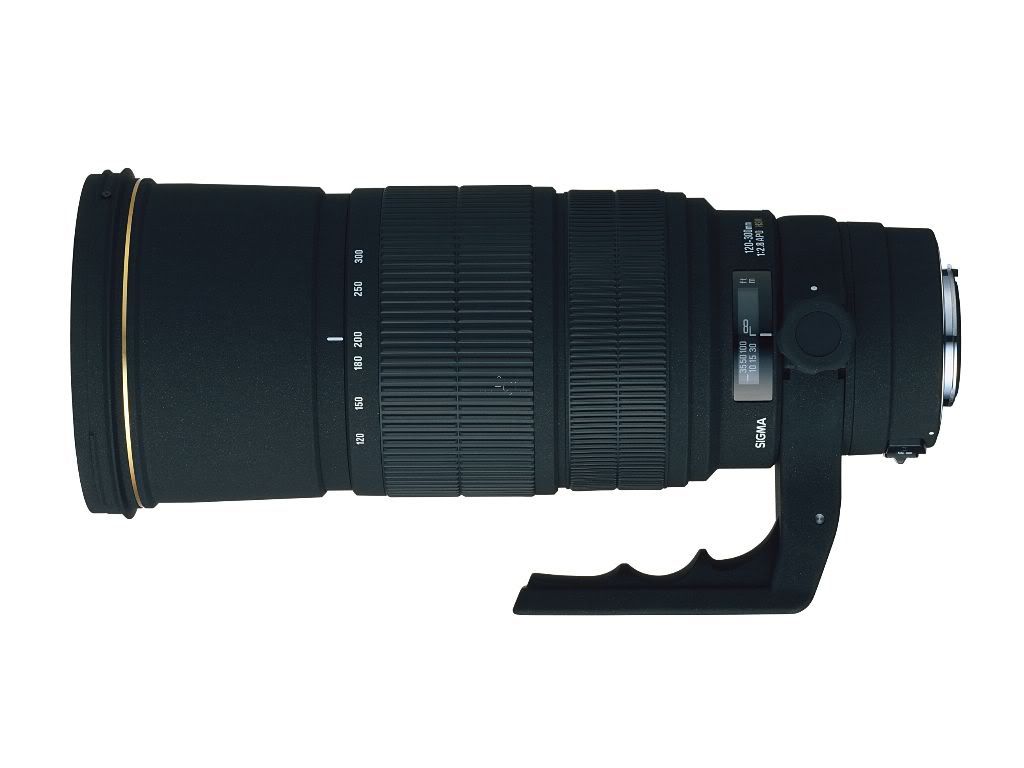
What other alternatives do you have to this Nikon? Perhaps you can look at the Sigma 120-300mm f/2.8EX DG APO HSM instead, with its bright f/2.8 aperture and much more economical US$4200 price tag.  Add on a 1.5x teleconverter and you''ll have almost the same focal length range as this Nikon. You'll not get optical image stabilization (VR) with the Sigma though, which is a really useful feature on such a super-zoom.

Friday, February 26, 2010

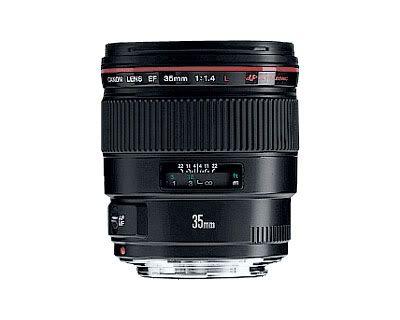
Canon 35mm f/1.4 L USM lens - initial impressions

0 comments
After many weeks of waiting, I finally managed to get my hands on the Canon EF 35mm f/1.4 L USM lens. The lens was out of stocks for quite a while, so I am hoping that the wait is worthwhile. The initial impressions seem quite favourable, with a nice solid construction and a decent weight. Mounted on the EOS 5D Mk II with vertical grip, the lens feels really right at home.

 Image shot wide-open at f/1.4

I took it out for a couple of test snaps, and the initial results were rather pleasing. No back focus issues detected so far, and the bokeh is really nice and creamy. I’m going to shoot more with it over the next two weeks, so you can expect a more thorough review soon. 

Oh wait... perhaps I can pit the 35mm f/1.4 L lens against another 35mm f/1.4 "L" lens? Canon vs Leica - Battle of the 35mm f/1.4 lenses! Let me know if you're interested to see something like that...

But meanwhile, here are two images from my first ten minutes with the Canon 35mm f/1.4 L USM lens!

 Image shot wide-open at f/1.4

Monday, February 22, 2010

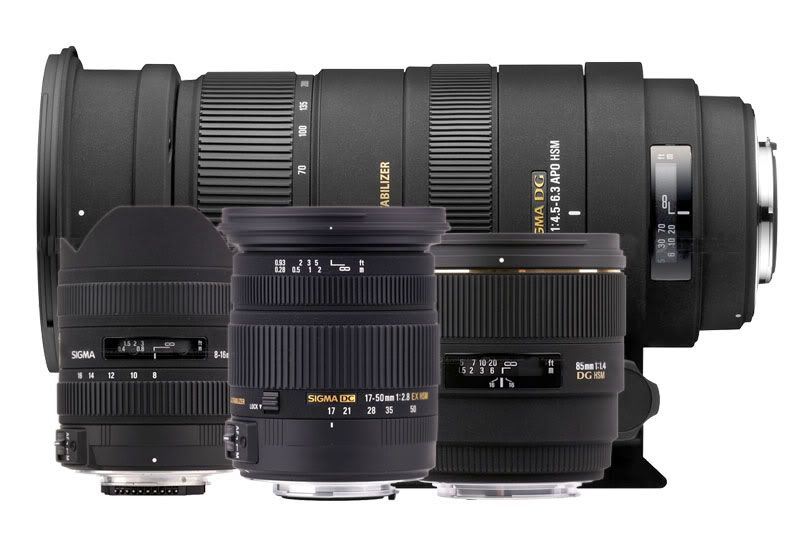
Sigma launches 5 new lenses

0 comments

I'm convinced that Sigma’s engineering and production teams must have been chomping on pizzas every night recently, judging from the slew of products they just announced. Hot on the heels of the original camera manufacturers, Sigma has been launching exotic lenses one after another. Judging from the technical specs, it’s definitely no mean feat to engineer such optics!

Sigma 70-200mm f/2.8 EX DG OS HSM

First up is the new 70-200mm f/2.8 telephoto zoom lens from Sigma, equipped with Hypersonic Motor (HSM) and optical stabilizer (OS). Depending on the price tag, this can be a good alternative to the pricey original 70-200mm f/2.8 lenses that camera brands have launched (notice how prices jump substantially with every generation?) Optically this lens looks promising, with Sigma using its new 'FLD' glass to control aberrations, plus a nine-blade circular aperture for more attractive bokeh.

Sigma 85mm F1.4 EX DG HSM
Great… Sigma announces a 85mm f/1.4 portrait lens just after I purchased a 85mm portrait lens for a not insubstantial amount of moolah. Anyway, this new Sigma features nine-blade circular aperture for more attractive bokeh and a minimum focusing distance of just 85cm. I’m sure it won’t be as good as the one I bought… I hope.

Sigma 50-500mm DG OS HSM
Sigma’s management’s directive to the engineers must have been blindingly obvious based on the latest releases – make the widest and longest lenses you can! The result is a hulking monster like this 50-500mm 10x telephoto zoom. The Sigma has been popular with nature photographer, but this latest iteration (finally) comes with optical stabilization. Guess someone in Sigma figured out it wasn’t easy handholding a 500mm lens after all.

Sigma 8-16mm F4.5-5.6 DC HSM
If you ever need evidence that Sigma engineers are going mad, this is it. Say hello to this crazy piece of optics – the Sigma 8-16mm F4.5-5.6 DC HSM. Not contented with the batch of current ultra-wide angle lenses for APS-C cameras, Sigma engineers decided that photographers needed to go really wide, so they decided to make one for APS-C photographers, just like they already did with the Sigma 12-24mm for full-frame. Seriously, anyone who tried to use such a wide-angle needs to buy really nice shoes, because they’re going to get into the frame easily. Salvatore Ferragamo anyone?

Sigma 17-50mm f/2.8 EX DC OS HSM
Strictly for APS-C sensor cameras only, this Sigma is your standard zoom lens with a fast constant aperture of f/2.8. Other nice features include optical stabilization (OS) and Hypersonic Motor (HSM) for faster focusing, as well as the incorporation of Sigma’s new FLD glass and non-rotating front focus ring.

Wednesday, February 10, 2010

Nikon announces two new lenses

0 comments
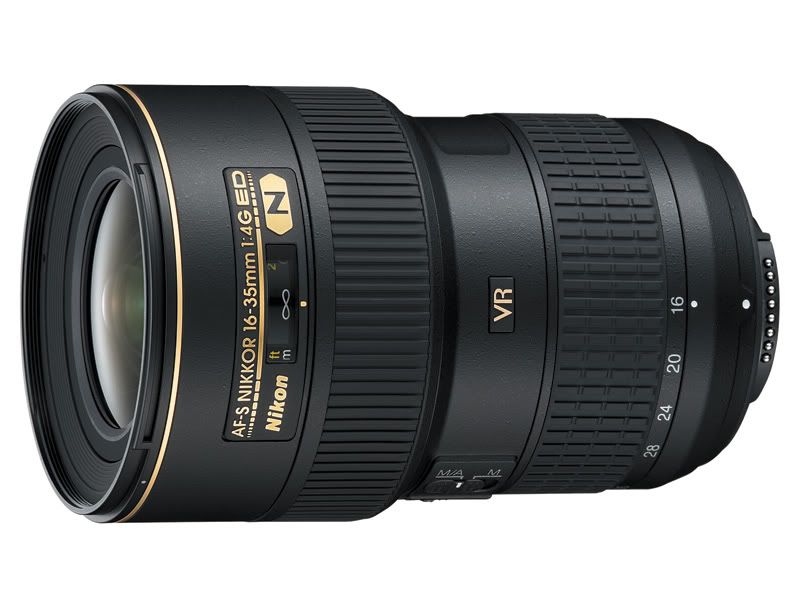
Nikon has announced the launch of two interesting lenses - an ultra wide-angle lens with vibration reduction (VR) technology and a high-performance 24mm prime lens. Just when photographers around the world were about to give up, finally a manufacturer came around to our point-of-view that even wide-angle lenses can benefit from having image stabilization technology! It took them years, but we're still glad it finally happened (hopefully it'll open a flood-gate of more wide-angle lenses with vibration reduction technology). The new AF-S NIKKOR 16-35mm f/4G ED VR is designed for full-frame performance, although it is not f/2.8 like the Nikkor 17-28mm AFS. I guess Nikon is going to keep us waiting for a while more for a f/2.8 VR lens! The VR technology is an improvement over its predecessors, delivering up to four stops of stability when shooting in low-light. Optically the lens look promising, featuring Nikon’s Nano Crystal coat, two ED glass elements and three aspherical glass elements.


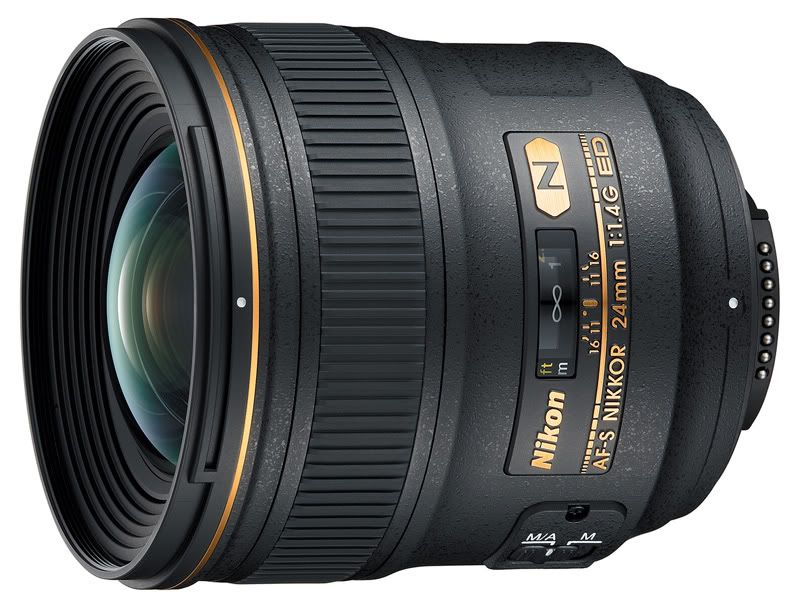
The AF-S NIKKOR 24mm f/1.4G ED seems designed to go head-on against Canon's 24mm f/1.4 L Mk II lens. With a wide angle of view and such a bright aperture, the 24mm f/1.4 lenses deliver a unique perspective unlike any other lens. This lens will appeal strongly to photojournalists and event/wedding photographers with its focal length and ability to shoot in low light. Unfortunately Nikon didn't up the ante by throwing in VR at the same time, or this could be the ultimate photojournalist lens of all time! As you might expect, the AF-S NIKKOR 24mm f/1.4G ED features Nikon’s Nano Crystal coat, ED glass, aspherical lens elements, and even nine blade rounded diaphragm for the ultimate in image quality. I'd be interested to see how this lens match up to Canon's 24mm f/1.4 L Mk II lens!

Wednesday, January 6, 2010

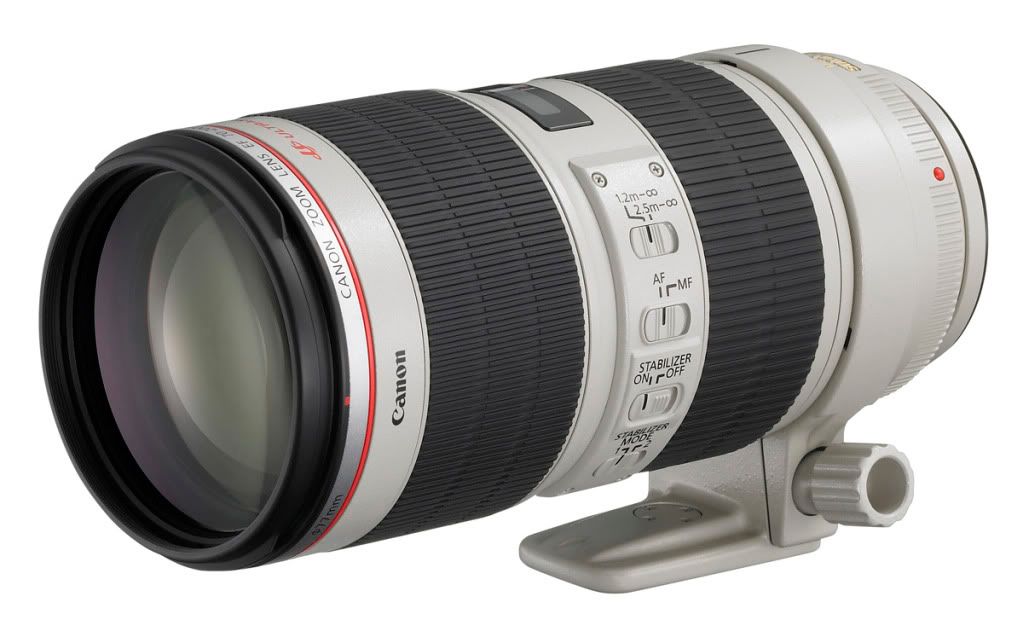
Canon launches EF 70-200mm f/2.8 L IS USM Mk II

0 comments

Canon has announced the launch of the 2nd generation of the professional workhorse lens. The Canon EF 70-200mm f/2.8 L IS USM Mk II improves on the predecessor’s performance with a revised optical formula featuring a fluorite element and 5 UD elements. The minimum focusing distance has also been reduced to a class-leading 1.2m to allow for tighter close-ups, and the Image Stabilization (IS) has been improved to 4 stops (instead of the predecessor’s 3 stops). Other minor improvements include a wider focusing ring and dust/splash proof construction.

The inclusion of the fluorite element is an important aspect of the Canon EF 70-200mm f/2.8 L IS USM Mk II, as the IS version of the 70-200mm f/4 IS is noticeably sharper than the non-IS version by incorporating a fluorite element. We can only wait for test images to come in at this moment. Meanwhile, legions of fans may be disappointed to learn that the new lens is not lighter than its predecessor – at 1.49 kg. Ouch!

Wednesday, December 9, 2009

Sigma 17-70mm F2.8-4 DC MACRO OS HSM

0 comments

If you are dissatisfied with your kit lens and desire something better without spending too much money, Sigma's new 17-70mm F2.8-4 DC MACRO OS HSM can be an interesting proposition for you. This new lens cover a useful range for general purpose photography, and the maximum aperture is larger than the typical kit lenses, making this a nice upgrade lens. In addition, Sigma has fitted some nice tech goodies such as Optical Stabilizer and Aspherical glass elements to ensure sharp images (in theory). The Hyper Sonic Motor (HSM) should see the Sigma delivering silent, high-speed autofocus.

With a filter size of 72mm however, buying new filters will not be a cheap affair. In the past, photographers sometimes found their third-party lenses incompatible with their new SLRs because of electronics issues. There's no assurance that the Sigma will be fully compatible with future Canon, Nikon, Sony or Pentax DSLR bodies, but there're programs currently by third-party manufacturers to re-chip the lenses to work with the latest cameras.

Friday, November 27, 2009

Canon EF 100mm f/2.8 L IS USM Macro review

2 comments


Canon already has a nice 100mm macro lens in the EF 100mm f/2.8 macro, so it came as a bit of surprise when Canon launched a new macro lens with the same focal length and aperture. The new Canon EF 100mm f/2.8 L IS Macro is expected to sell alongside with the original macro lens, albeit with a significantly higher price tag. What’s with this new lens that justifies a price premium over the existing lens?

Canon is positioning this lens as a premium professional quality lens with the L designation, so one should expect superior performance over the already excellent non-L macro lens. In addition, the crowning glory is the integration of a new Hybrid Image Stabilization technology into the new lens, which Canon claims will improve the percentage of sharp images when hand-held. Unlike conventional IS in other lenses, the Hybrid IS compensates for angular and linear shifts when one is shooting in macro, so it is supposedly more effective than the usual IS technology when shooting close-ups.

So is it really worth the extra money? Read on!