Showing posts with label Editor's notes. Show all posts

Wednesday, March 21, 2012

Keep shooting...

0 comments
There are few ways to improve your photography than to keep shooting. Need evidence? Just look at the cameras belonging to legendary photographers Jim Marshall and Elliot Erwitt. Worn down to the brass, it shows just how much great photographers shoot to achieve their craft. It was almost as if the cameras never left their hands for a single moment...

 Jim Marshall's Leica M4

Elliot Erwitt's Leica M3

Thursday, March 8, 2012

Classic film cameras collection

0 comments

Photography has evolved so much through the decades, making tremendous strides in the digital era. In the medium-format era of the 1930s-1940s, photographers were often seen wielding their "compact" medium format cameras such as the Rolleiflex or Hasselblad, compact compared to the gigantic Graflex cameras they used to carry! Along came the Leica M3 which introduced a brand new 35mm film format, and radically changing what a portable camera system meant. 

The 35mm film format was popular for more than 60 years, from the 1940s to the turn of the century. It witnessed the rise and fall of rangefinder cameras, to the dominance of the single-lens reflex (SLR) cameras. Legends such as the Nikon F series and Canon F-1 came into the scene and defined professional photography, although some marques like Olympus and Pentax did create some unique alternatives such as the Olympus OM4 and Pentax LX) to the huge and cumbersome professional SLRs. Around the year 2000, digital SLRs became more affordable and film never regained its former glory, although die-hard enthusiasts maintained that film delivers a special kind of magic that digital can never replicate!


This photo shows some of the film (and usually mechanical) cameras that I've collected over the years. I love the iconic camera designs and build quality - they just don't make things like these anymore!

Tuesday, January 24, 2012

Wishing all Chinese readers a Happy Lunar New Year!

0 comments


Smoke Dragon - Shot with EOS 5D Mk II…

Today marks the beginning of the Lunar Year of the Dragon, so it’s probably apt to wish all the Chinese around the world a Happy Lunar New Year with this abstract image of a dragon!

Tuesday, December 20, 2011

New Year Resolution

0 comments

Well we've come to the end of the year again, and every new year brings forth new hopes and aspirations. If you feel that you've not done much this year, do not despair... just make sure that you plan well for the following year!

Many times, we may feel bored with photography and start to entertain the idea of buying more equipment to satisfy our insatiable craving for the terrible gear acquisition syndrome (GAS). Instead, why not direct your energy and budget towards books and education? Reading the right books can help advance your techniques and abilities much further than getting another (often unnecessary) piece of equipment.

And of course, the new year brings with it the opportunity to set new goals for yourself. I feel it's a great idea to set a monthly target for the new year, so every month you can look forward to learning or trying out new things in photography. For me, the goal could look like this...

January - Learn Adobe Lightroom
February - Try outdoor fill flash in daylight
March - Shoot portraits of people around me
April - Try time lapse photography
May - Learn how to isolate hair from background in Photoshop
June - Check out color management
July - Do up a photo essay on a favourite topic
August - Explore light painting techniques
September - Shoot with medium format film
October - Shoot studio still life
November - Experiment with photo compositing
December -  Consolidate works for the year into iPad portfolio

The goals could be simple, or perhaps stretch across a few months if its complex, but you set your own pace and interests. Print out a copy and stick it on your wall! And while you may not hit all the targets, it provides a structure and starting place to get you motivated to try something new every month. At the end of the year, you can look back and have a nice little portfolio to chart your improvement through the year.

Get started on your new year photographic resolution today, and feel free to share yours here!

Monday, November 15, 2010

Digital limbo – how low can you go?

2 comments
_MG_8071


The digital revolution brought photography to a whole new level. With the advent of digital imaging, professional photographers are now churning out incredible photos never possible before with film. The race is now on the technological frontier, with professional photographers now having to balance artistic creativity with digital mastery.

But the digital revolution also brought on a very serious threat to the working photographers. Before digital cameras came on the scene, photography was the enclave of photography enthusiasts and working photographers. You need to spend a significant amount of time and effort to learn the concept of exposure and everything else required to get an image properly exposed on film.

Depending on the era you started photography, you’d begin by learning how to load your film and the basics of exposure. You’d learn the Sunny-16 rule, the composition rules and proper focusing techniques (including pre-focusing, zone focusing and hyper-focusing). You’d learn about the reciprocity failure rule when your long exposure mode came out all wrong, about colour correction filters when your images turned out cyan or red, about flash exposure calculation when you see blown out details in your flash photography. There was no Internet, so you got to read up books and talk to seniors who’d tease you to no end about your efforts in photography, before telling you how to resolve the issue.

If all of these doesn’t make any sense to you, it’s alright. You probably got into photography when the film cameras have auto-loading, auto-focusing and auto modes for virtually everything. Flash metering? Don’t cameras calculate everything already? We thought that was the golden age of photography, with the Canon EOS-1V and Nikon F5 ruling the roost. People would think you’re nuts spending US$2000 for a flagship SLR camera.

In the blink of an eye, digital photography landed on our shores with the arrival of affordable DSLRs such as the Nikon D70 and Canon EOS 1000D. Not only can the cameras do everything setting for you (truly “you press the button, we do the rest”), you can also see what you have just shot. That was truly the nail in the coffin for film photography.

But it turned out that film didn’t want to die alone, because it was dragging a whole strata of working photographers with it. Armed with digital SLR cameras, a whole new generation of photography enthusiasts popped up like mushrooms after the rain, perfectly capable of taking photos without much experience. Point and compose – the DSLRs churned out images that were the preserve of knowledgeable photographers. There is no longer a need to struggle to learn the basics of photography before you can churn out images that look great – the camera makes you look like a genius!

Portraits with shallow depth of field? Check.
Macro photography? Check.
Motion freezing sports photography? Check.

It wasn’t long before many of the new photographers got approached by companies who require photography services at a cheap rate. A lot of them didn't start out with the thought of offering commercial services, but somewhere along the way someone wanted a job done, and the photographer thought "why not? I've the gear, and it's a good chance to earn some additional income." They were not sure of the commercial rates (and neither could they command the kind of rates without a good portfolio). So the client got a great rate for the photography service, and the photographer earned some extra dough for his hobby.

It sounds great, but it really isn’t. Not for the freelancer, not for working photographers, and not for the client.

In terms of income, the downward spiraling rates spell disaster bad for full time professionals who have to contend with higher overheads today. Digital bodies usually need to be upgraded every 3 years, software is getting more expensive, and consumers are becoming more demanding (D.I everything!). Unwittingly the freelancers damaged the market for the professionals by charging lower rates just because they could (without having to bear overheads), not because they should.

Professionals now have to contend with a new influx of freelancers fighting for the pie, and they have to work harder for the money to move their skills upwards to avoid the lower end of the market. This is not necessarily a terrible thing, since evolution is a matter of necessity for everyone. Professionals now have to find a new niche for themselves, doing stuff which freelancers can not yet deliver the same quality. Survival of the fittest then…

For the freelancers and low-balling professionals, they'd learn quickly that charging low rates is not worth it. It only takes one nasty/demanding client or a job gone wrong to make them learn the hard way. A re-shoot or additional efforts quickly make charging low-rates a no-brainer – the low fees simply isn’t worth the effort to do all that work. But unfortunately, nobody likes to talk about their mistakes and failures, and so we have new photographers coming into the scene who low-ball the market again, and the cycle continues.

But what about the clients who try to get low-ball rates? They will get what they deserve, and the low-balling clients and photographers deserve each other! The client might find himself into trouble using a cheap photographer, when the latter fails to deliver the goods. He might get away with getting someone else to re-shoot, but if the cost of a re-shoot is very high, or if a re-shoot is not possible (like a wedding), that is problematic for everyone involved. That being the case, the client will quickly learn to use a well-trained professional who will be charging what he’s worth. And if the client doesn't learn his lesson, at least he will be good training fodder for the next low-balling photographer to learn that low-ball rates do not work out.

At the end of the day, nature will find its balance. There will always be low-balling photographers and clients, as well as photographers who are worth their salt and charges accordingly, with the right clients who appreciate their work. If you are a good photographer, charge what you are worth. Because clients who need and value your services will pay for your photos. For clients who low-ball you, forget about them. You won't miss them because they will not be worth your trouble. From my experience, clients who start off by low-balling your rates are usually nasty and demanding clients as well. Focus on sharpening your skills and gaining better clients, instead of going down the long and slippery slope of low-balling.


Wednesday, August 18, 2010

Joys of medium format cameras

0 comments


We all love the tale of David vs Goliath, where the underdog trumps the favourite against all odds. The truth in life is - size does matter. The bigger is usually the better option. Try driving a Mini on the road with Landrovers and Hummers all around you, or get into a gun fight armed with a pistol against a sub-machine gun - you get the picture.


In photography, the smaller cameras are more agile, as in all our examples. But in terms of sheer power, nothing quite beats a larger format camera, ceteris paribus. The larger the film area (or sensor size), the cleaner the image and the better the enlargements will be. Traditionally, a lot of commercial images used for billboards or posters are shot on medium or large format cameras, and even with today's pow-wow 35mm DSLRs excellent image quality, some of the professionals still opt for medium format cameras to deliver that extra edge, especially in controlled environment shooting where speed is not of essence.


Apart from sheer quality, one of the fun aspects of shooting medium format cameras is the joy of handling something mechanical. Unlike the DSLRs, the majority of medium format cameras still shoot on film (since digital backs are still prohibitively expensive for the hobbyists). That only adds to the joy of loading film (assuming you come from the film-era like me), which is a more tactile approach than loading a CF card into my DSLR. Furthermore, a lot of the medium format cameras are mechanical machines that click and clunk, quite unlike the zip and whirl of the electronic cameras today.


Need more convincing to try medium format cameras? Well... how about the fact that a lot of medium format gears are very affordable now compared to a decade ago, and you can get a good camera and lens for less than 500 bucks? And once you have a taste of the heavenly experience of viewing a medium format slide on a light-box, you'd want to run out to get a few more rolls of film!

So be sure to discover more about medium format cameras here at http://www.nelsontan.com/articlespage/mediumformat01.html

Have fun!

Wednesday, April 7, 2010

Launch of new photo website and photo forum!

0 comments
Ladies and gentlemen, it gives me great pleasure to announce the launch of two major projects I've been working on - my revamped photography website and a new photography forum!


Nelson's Photography Website
(www.nelsontan.com)

My photography website at www.nelsontan.com has been around for quite a while now, but this revamp gives it a brand new look to bring it up to date. In addition, you will also find new articles online as well as some reviews I've done lately. If you know someone who wants to learn photography, be sure to visit the website because I've a great new syllabus to help anyone pick up photography online!


Photomiki photography forum
(http://www.photomiki.com/forum.php)

My buddy David Ng (of GoDigital fame) and I decided to do something for the photo community, and what better ways are there to build knowledge than to build on the immense experience of the photo community? So after much huffing and puffing, we managed to set up the Photomiki photography forum! Remember to visit the photo forum to share your knowledge or ask some questions, or just to buy and sell your camera gear!

Leave some comments on you like my new projects!

Wednesday, March 24, 2010

On Twitter... finally...

0 comments

Ah... yes... Twitter...

Follow "nelsontheone" on Twitter if you're interested. I apologize for the obnoxious nick... it wasn't easy finding a user name when you enter the game so late.  :)

Friday, February 26, 2010

Canon 35mm f/1.4 L USM lens - initial impressions

0 comments
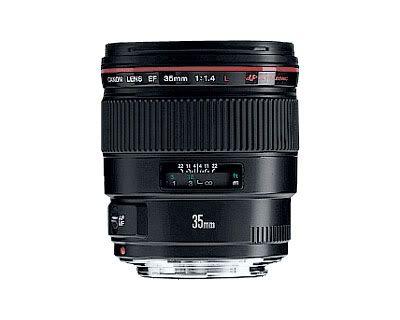
After many weeks of waiting, I finally managed to get my hands on the Canon EF 35mm f/1.4 L USM lens. The lens was out of stocks for quite a while, so I am hoping that the wait is worthwhile. The initial impressions seem quite favourable, with a nice solid construction and a decent weight. Mounted on the EOS 5D Mk II with vertical grip, the lens feels really right at home.

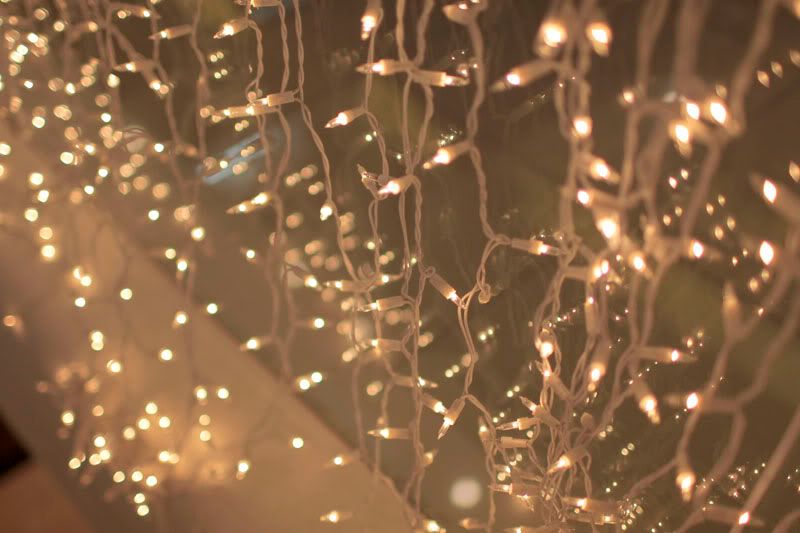
 Image shot wide-open at f/1.4

I took it out for a couple of test snaps, and the initial results were rather pleasing. No back focus issues detected so far, and the bokeh is really nice and creamy. I’m going to shoot more with it over the next two weeks, so you can expect a more thorough review soon. 

Oh wait... perhaps I can pit the 35mm f/1.4 L lens against another 35mm f/1.4 "L" lens? Canon vs Leica - Battle of the 35mm f/1.4 lenses! Let me know if you're interested to see something like that...

But meanwhile, here are two images from my first ten minutes with the Canon 35mm f/1.4 L USM lens!

 Image shot wide-open at f/1.4

Sunday, December 13, 2009

Will I buy your camera after watching your TVC?

0 comments
If you buy a Porsche 911 Turbo, you wouldn't use it only to buy groceries from the supermarket, would you? It is a fantastic machine to drive around in, so you'd probably enjoy the handling experience or the sheer acceleration (under safe conditions) or on the track!

If that was so easy to understand, why is it that many top honchos in multi-national companies fail to realize that television commercials are the best way to stir your emotions, or to set the fire in your loins burning? Why do some companies make TV commercials which do little more than communicate their product advantages? The combination of sound and vision is a lethal weapon in creating emotions that would bring consumers to your product, no matter how rational they are or how resistant they want to be. Leave your specifications to the print advertisement! I want to be stirred by your television commercial... entertain me!

Leica just did.


Wednesday, December 2, 2009

30 great gift ideas for photographers

0 comments

With the festive season around the corner, there’s no need to tear your hair out just because you can’t find the right gift for your photo-fanatic friends! I’ve assembled a list of photography-related gifts for you to choose from, ranging from under US$50 to US$200. So if your loved ones are having problems choosing your gift, just point them to this blog thread!

Great gifts up to US$50

Gary Fong Lightsphere Universal Inverted Dome (US$50)
Fits onto most flash heads via a universal mount, the Gary Fong Lightsphere delivers a dose of well-balanced bounce easily. There’re many bounce systems for on-camera flashes, but the Gary Fong system is supposedly one of the best around.


Joby Gorillapod Flexible Mini-Tripod (US$22)
If you have a compact camera and you want a flexible mini-tripod, this is one of the best choices. It’s not cheap, but it’s one of the most robust and flexible mini tripods. Also works great if you want to mount your flash and trigger it wirelessly off the camera for directional lighting. You can wrap the bendy legs on branches or railings.

Sanyo Eneloop Rechargeable NiMH Batteries with Charger (US$30)
Go green! Stop throwing expendable batteries into the landfills! The Sanyo Eneloop Rechargeable NiMH batteries present cost-savings advantage while delivering a unique advantage – they maintain their stored energy for a long time unlike other rechargeables, so your Eneloop batteries are always ready for action!

Friday, November 27, 2009

Welcome back to Photography Happenings!!

0 comments

Welcome back. That’s the message for both you and me.

To those who remember, Photography Happenings was started by me back in 2000 when the internet was not what it is today. Electronic bulletin boards were popular, as well HTML websites with blinking text (it gives me a headache just thinking about them!) and forums were not as popular as they are today. We were using modems with dial-up speeds of 28.8 kbps, and photography information were more readily available in printed magazine than on the web.


A new dawn? Perhaps!


The Internet has come a long way since then. Fancy flash animation, rapid propagation of discussion forums, RSS feed and blogging have completely changed the online landscape. Now in Web 2.0 where interactivity and social connectivity rule, everyone has instant access to information unlike 9 years ago. When I ran the Photography Happenings site, I had e-newsletters to about a thousand subscribers in a monthly digest format. With so much new releases every other day, a monthly format is no longer enough today. And people today are so well-connected digitally, virtually any news is old news in a couple of days.

Now that I’ve managed to squeeze out some time from my day job (yes, I’ve one), I’m restarting Photography Happenings as a blog. Sure you might have heard some of the news announced already in some other sites, but I’ll add my opinions and comments in addition to the announcements, which hopefully will make them more useful to you.

Welcome back to the new Photography Happenings!!